Exploring cultural perceptions of gambling across diverse societies
Historical Context of Gambling
The roots of gambling can be traced back thousands of years, with evidence found in ancient civilizations such as the Egyptians and the Chinese. These early cultures often viewed gambling as a social activity, intertwined with religious practices and celebrations. In many societies, dice and betting games emerged as a form of entertainment, reflecting both individual risk-taking and communal bonding. For those interested in boxing odds, a great resource is https://bettingsitesnogamstop.co.uk/boxing/.
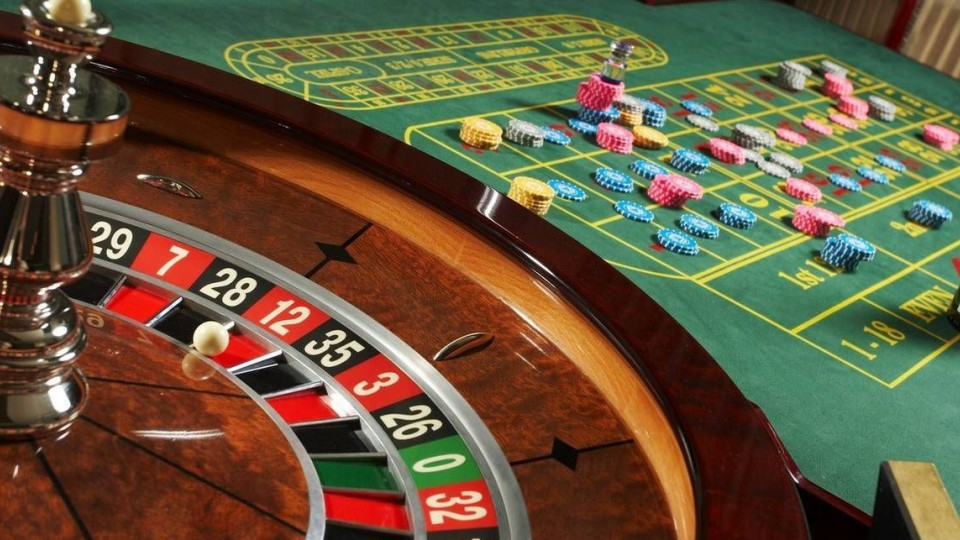

As societies evolved, so did their perceptions of gambling. In some cultures, it became associated with wealth and prestige, while in others, it was seen as a vice that could lead to moral decay. The duality of gambling—both a source of enjoyment and potential ruin—has shaped its acceptance or condemnation across different epochs.
Regional Perspectives on Gambling
In the Western world, particularly in the United States, gambling has often been commercialized, with Las Vegas and Atlantic City serving as iconic destinations. The legalization of casinos and online gambling platforms reflects a cultural shift towards viewing gambling as a legitimate form of entertainment. This has sparked debates about addiction and its societal impacts, with advocates arguing for regulation and responsible gambling practices.
Conversely, in many Asian cultures, gambling can carry significant stigma. For instance, in some countries, gambling is tightly regulated or outright banned due to its perceived negative impacts on family and community welfare. Yet, in places like Macau, gambling thrives as a central economic driver, showcasing the complexity of cultural attitudes toward this activity.
Religious Influences on Gambling
Religious beliefs play a pivotal role in shaping cultural perceptions of gambling. In Islam, gambling is generally prohibited, viewed as a temptation that distracts from spiritual growth. This religious stance influences societal norms in predominantly Muslim countries, where gambling activities are often limited or banned outright.
In contrast, certain Hindu traditions embrace gambling during festivals, such as Diwali, where games of chance are seen as a way to invite prosperity. This juxtaposition illustrates how gambling can be both condemned and celebrated, depending on the spiritual and moral frameworks of different societies.
Modern Attitudes Towards Gambling
Today, attitudes toward gambling are undergoing rapid transformation, fueled by technology and globalization. Online betting platforms have made gambling more accessible, leading to changing perceptions among younger generations who view it as a casual form of entertainment. This accessibility has prompted discussions about responsible gambling and the importance of safeguarding against addiction.
Social media has also influenced cultural perceptions, with influencers and celebrities endorsing gambling activities, thus normalizing and glamorizing betting. As a result, many societies are grappling with the implications of these changes, balancing economic opportunities against the risks associated with gambling.


Resources for Responsible Gambling
For those seeking to engage in gambling responsibly, various resources are available to help individuals make informed decisions. Websites dedicated to betting offer comprehensive guides on safe gambling practices, including tips on setting limits and recognizing warning signs of addiction. Additionally, many platforms provide access to community support services for individuals struggling with gambling-related issues.
Understanding cultural perceptions of gambling can enhance one’s experience, allowing for a more nuanced approach to this activity. By exploring the diverse attitudes and beliefs surrounding gambling, individuals can better navigate their personal engagement with betting and ensure a more enjoyable and responsible experience.