

The evolution of gambling A historical perspective on chance and fortune
The Origins of Gambling
The roots of gambling can be traced back to ancient civilizations, where games of chance were often intertwined with cultural and religious practices. Evidence suggests that games involving dice were played in Mesopotamia around 3000 BCE, while the Chinese were known to play various forms of gambling as early as 2000 BCE. These early forms of gambling were often simple, consisting of rudimentary tools and rules, but they set the foundation for the games we recognize today, including the best pokies online that some enjoy now.
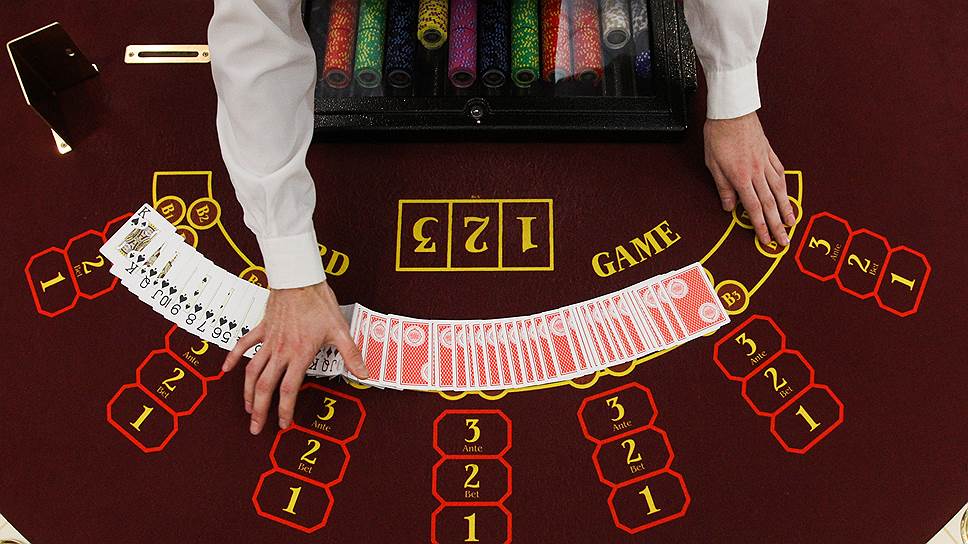
As civilizations advanced, so too did the complexity of gambling activities. Ancient Egypt had its own betting games, which were often associated with the afterlife. The Romans, known for their love of betting on gladiatorial contests, further popularized gambling within their empire. With each culture contributing its unique spin, gambling began to evolve, becoming a social and communal activity that spanned continents.
The Medieval and Renaissance Periods
The medieval era saw significant developments in gambling practices, particularly in Europe. This period introduced card games, which were believed to have originated in China before making their way to Europe via trade routes. The introduction of playing cards led to a new era of gambling, captivating the aristocracy and common people alike. By the Renaissance, various games such as faro and primero became popular in gambling houses throughout Europe.
This period also marked the emergence of gambling regulations. With the rise of organized gambling establishments, authorities began to recognize the need for control over these activities to mitigate the social consequences associated with gambling. The church’s stance on gambling shifted, with both condemnation and acceptance depending on the regional context, reflecting the complicated relationship society had with chance and fortune.
The Influence of the Industrial Revolution
The Industrial Revolution in the 18th and 19th centuries brought about immense changes in society, including advancements in transportation and communication. This era saw the establishment of state lotteries and the popularization of horse racing as a betting activity. Betting became more accessible to the masses, thanks to improved transportation systems, enabling people to visit racetracks and betting houses.
The invention of the slot machine in the late 19th century marked another significant turning point. These machines, which relied entirely on chance, paved the way for modern casinos and gaming establishments. As gambling became a staple in popular culture, its legitimacy was debated, leading to varying degrees of regulation and prohibition across different regions.
The Rise of Online Gambling
The advent of the internet in the late 20th century revolutionized the gambling landscape once more. Online casinos began to emerge in the mid-1990s, providing users with unprecedented access to gambling from the comfort of their homes. This shift democratized gambling, allowing individuals from diverse backgrounds to participate without the need for physical travel to a casino.
The rise of mobile technology further fueled this trend, enabling a new generation of gamblers to place bets and play games via smartphones and tablets. As online gambling continued to grow, so did discussions around regulation and responsible gaming practices, highlighting the need for consumer protection in this evolving digital marketplace.

Exploring Modern Gambling Practices
Today, gambling encompasses a wide range of activities, from traditional casinos to online poker and sports betting. Cultural attitudes towards gambling vary greatly across the globe, influenced by historical, religious, and social factors. In many places, gambling is viewed as a form of entertainment, while in others, it faces strict restrictions or outright bans.
As the industry continues to evolve, innovations such as virtual reality casinos and blockchain technology promise to reshape the gambling experience further. Understanding the historical context of gambling allows us to appreciate its complexities and the cultural perspectives that influence how chance and fortune are perceived in modern society.
Leave A Comment